What the video covers
Home page entry, sample-case summary, evidence capture, hold posture, and the reason this exception should not move forward from memory.
This illustrative workflow example shows how a warehouse team can document an identity mismatch, hold the case, and send one review-ready record instead of rebuilding the story from folders, screenshots, and chat threads.
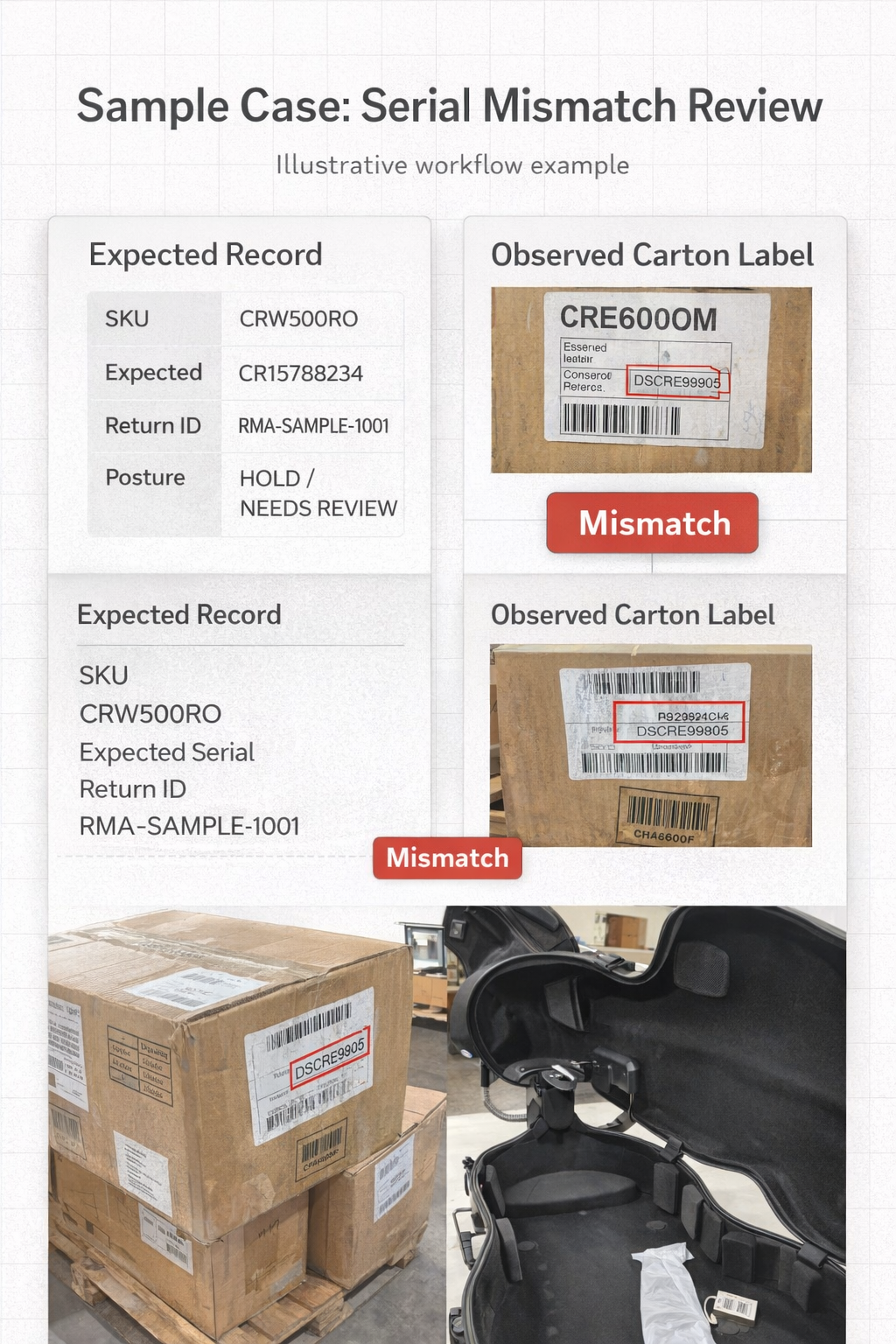
This short demo shows the public sample case the same way a prospect would see it: one review-ready record, one hold reason, and one shareable workflow asset instead of scattered screenshots.
Home page entry, sample-case summary, evidence capture, hold posture, and the reason this exception should not move forward from memory.
Use the page link when you want a prospect to click around, and use this embedded walkthrough when you need a fast first impression without asking them to read the full case.
Keep calling it a sample case and an illustrative workflow example. The value is clarity, not pretending this is a named customer win.
This sample is designed to show exactly what a buyer needs to understand in under one minute: what the warehouse expected, what the team observed, why the case stayed on hold, and what the brand reviewer should see next.
The warehouse expected one unit identity but observed a different carton label during inspection. Because the client playbook requires serial verification, the case could not move to release-ready without review.
Expected unit record does not match the carton label observed during inspection. Received carton shows model and serial information inconsistent with the expected return record. Unit was opened for verification and the case should remain on hold pending brand review.
This gallery keeps the workflow grounded in warehouse reality. The point is not that the images are dramatic. The point is that the warehouse can show what was seen, what was checked, and why the case did not move forward automatically.
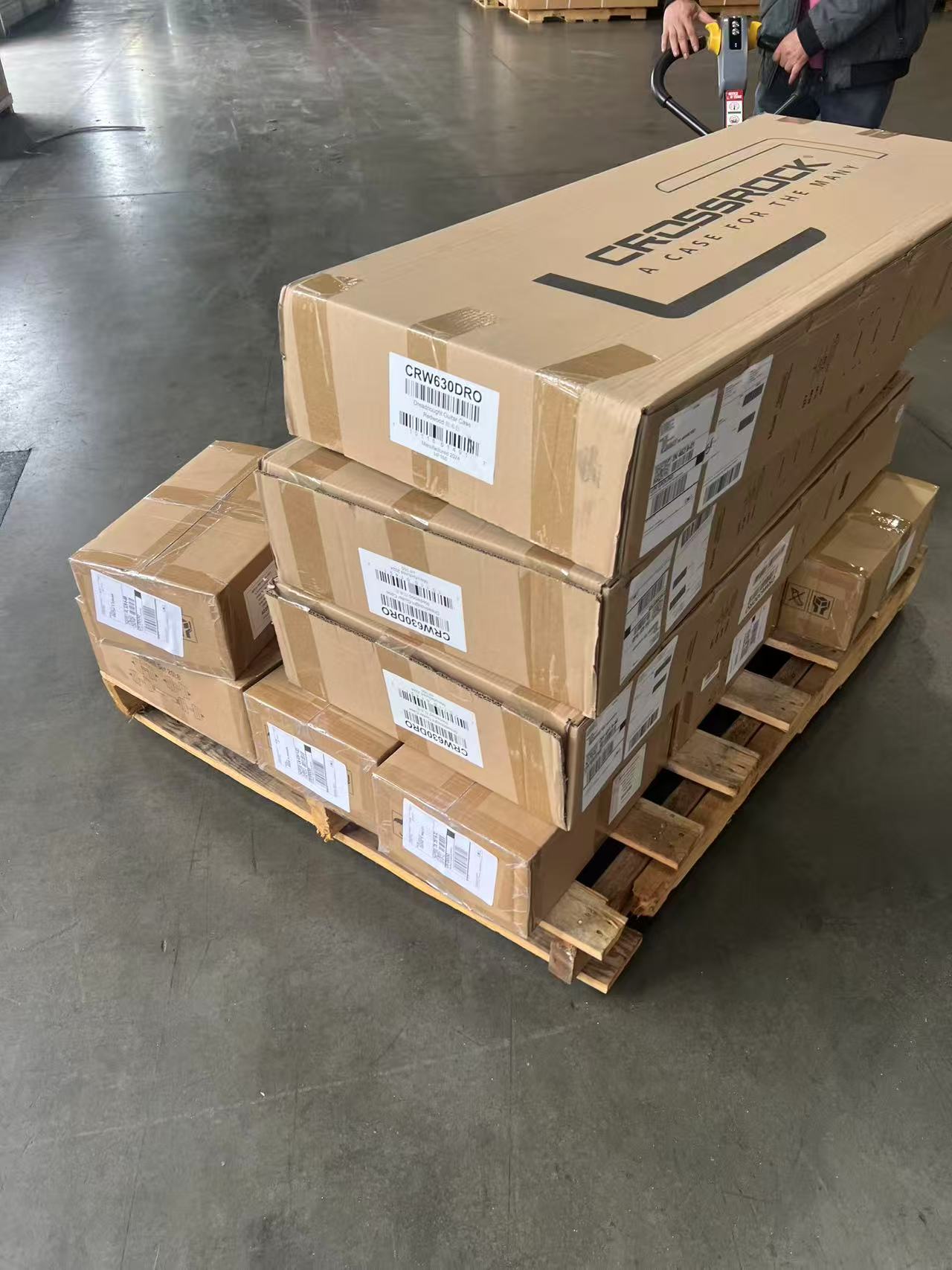
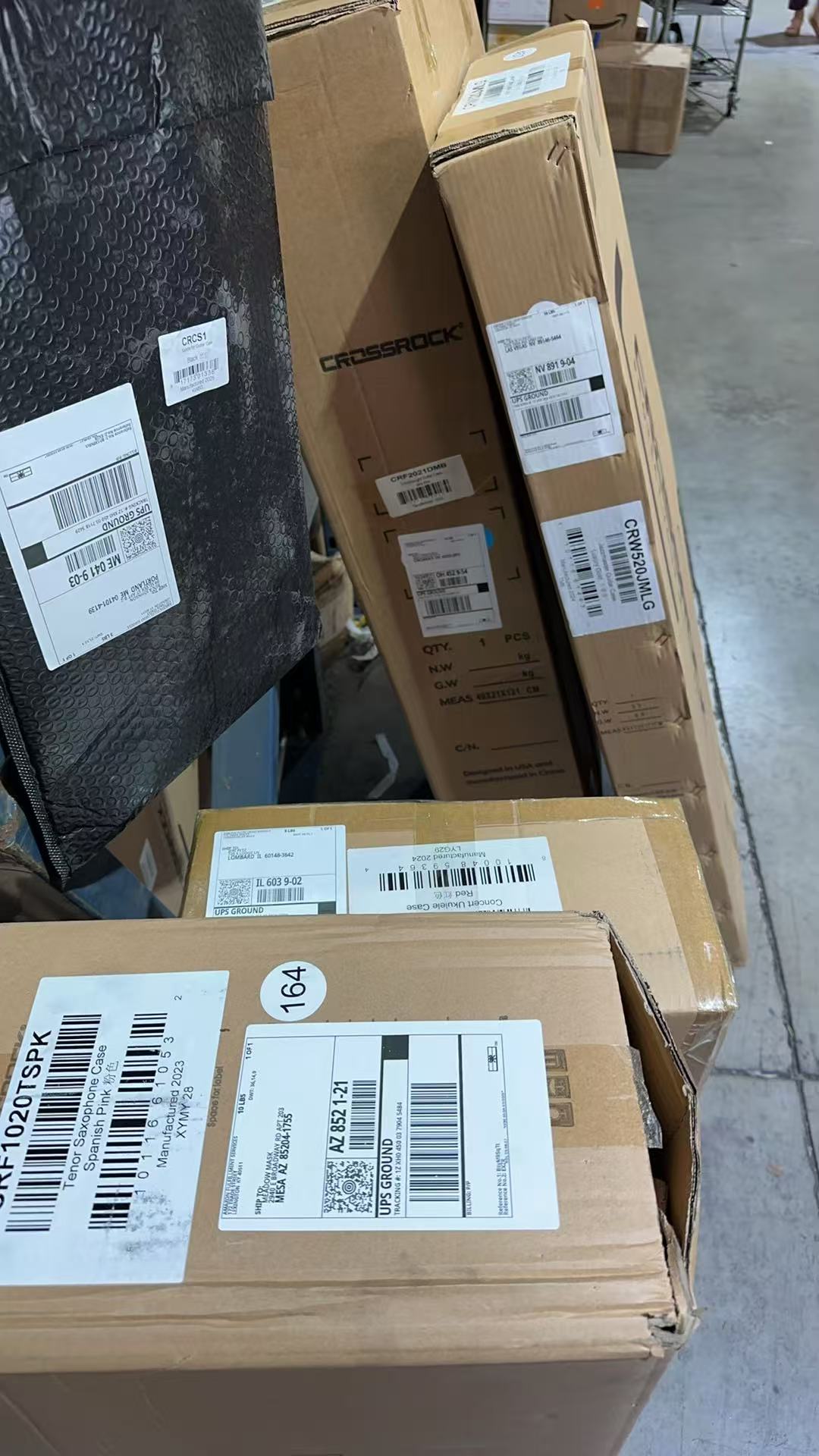
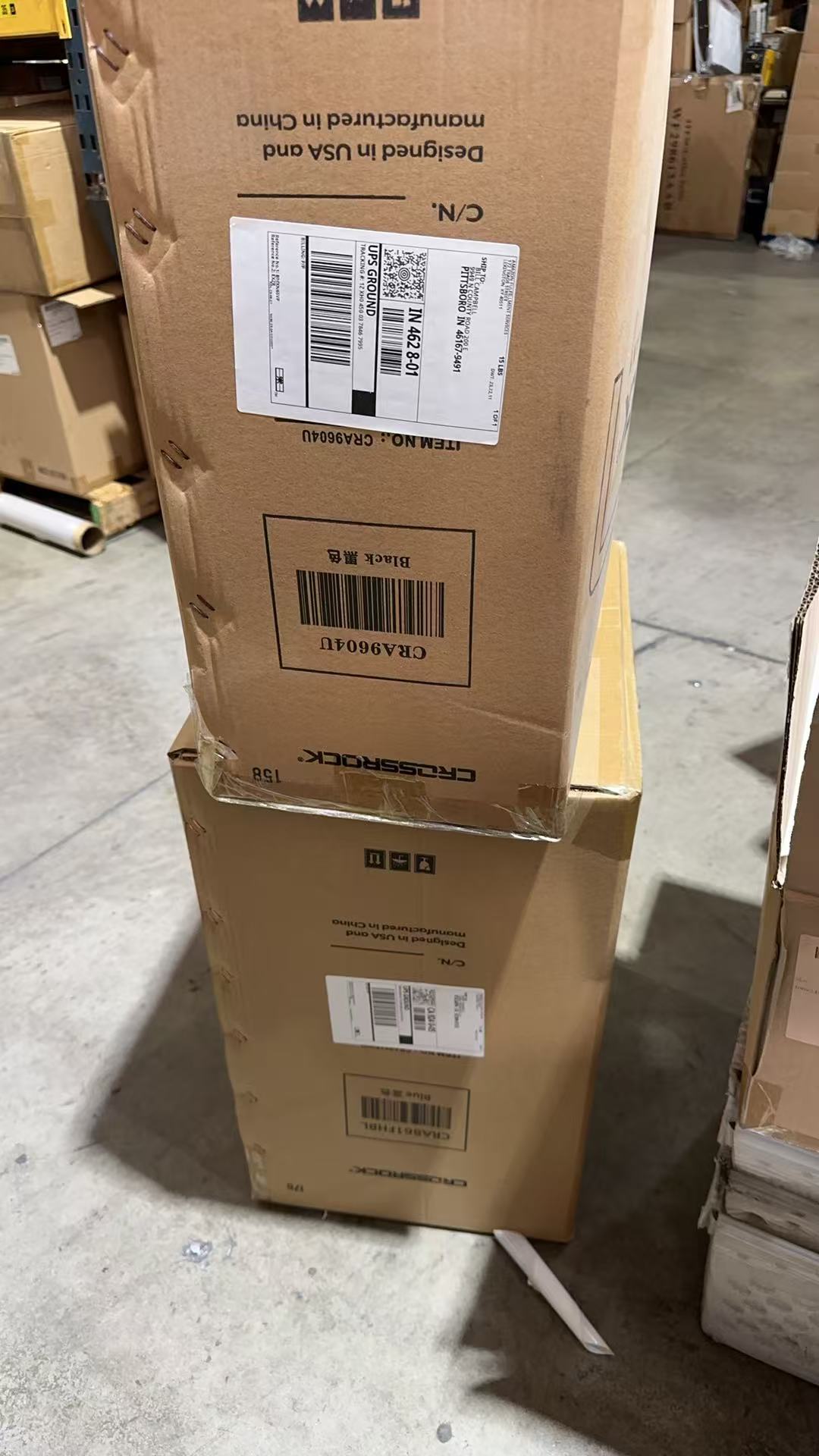
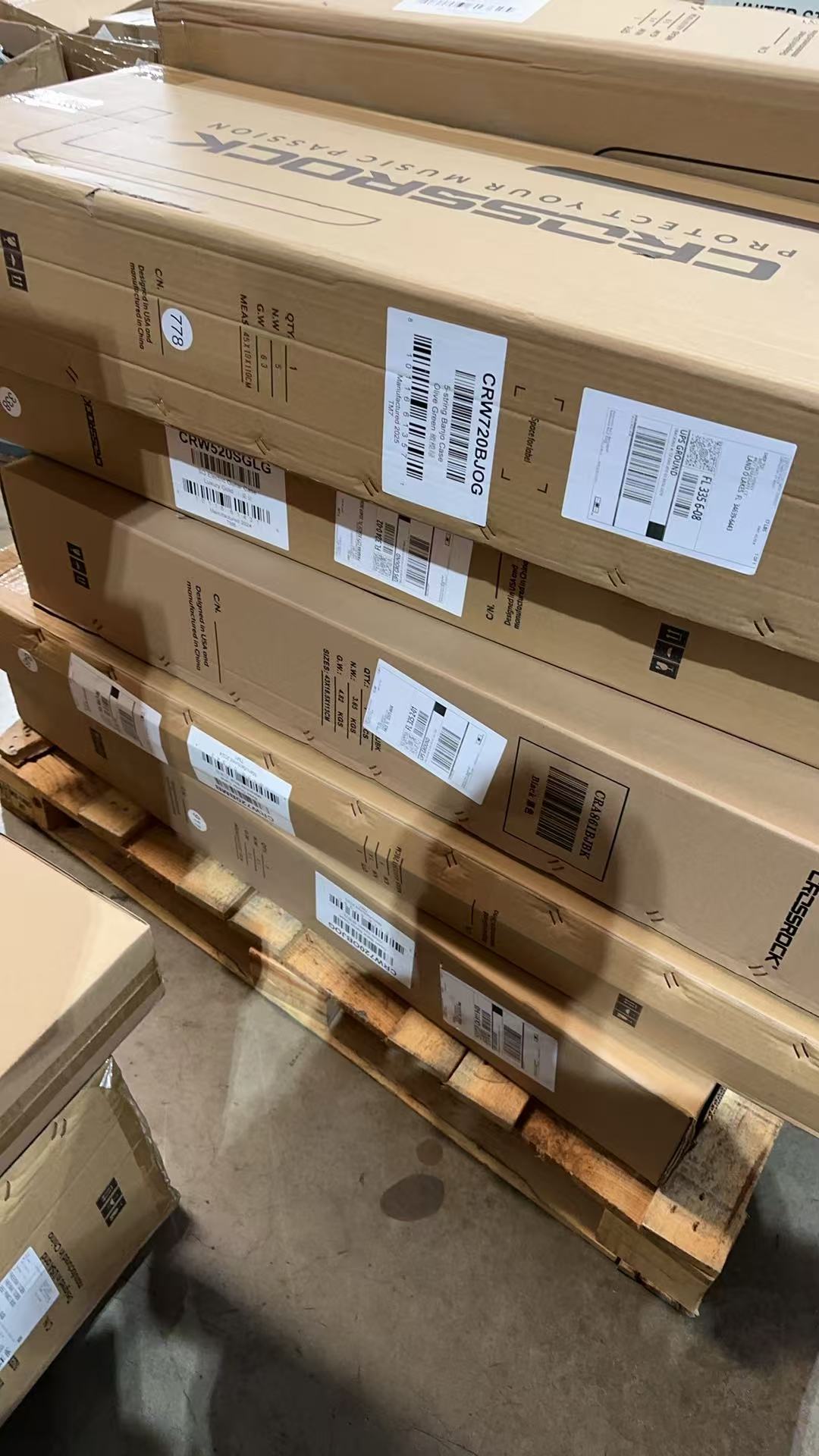
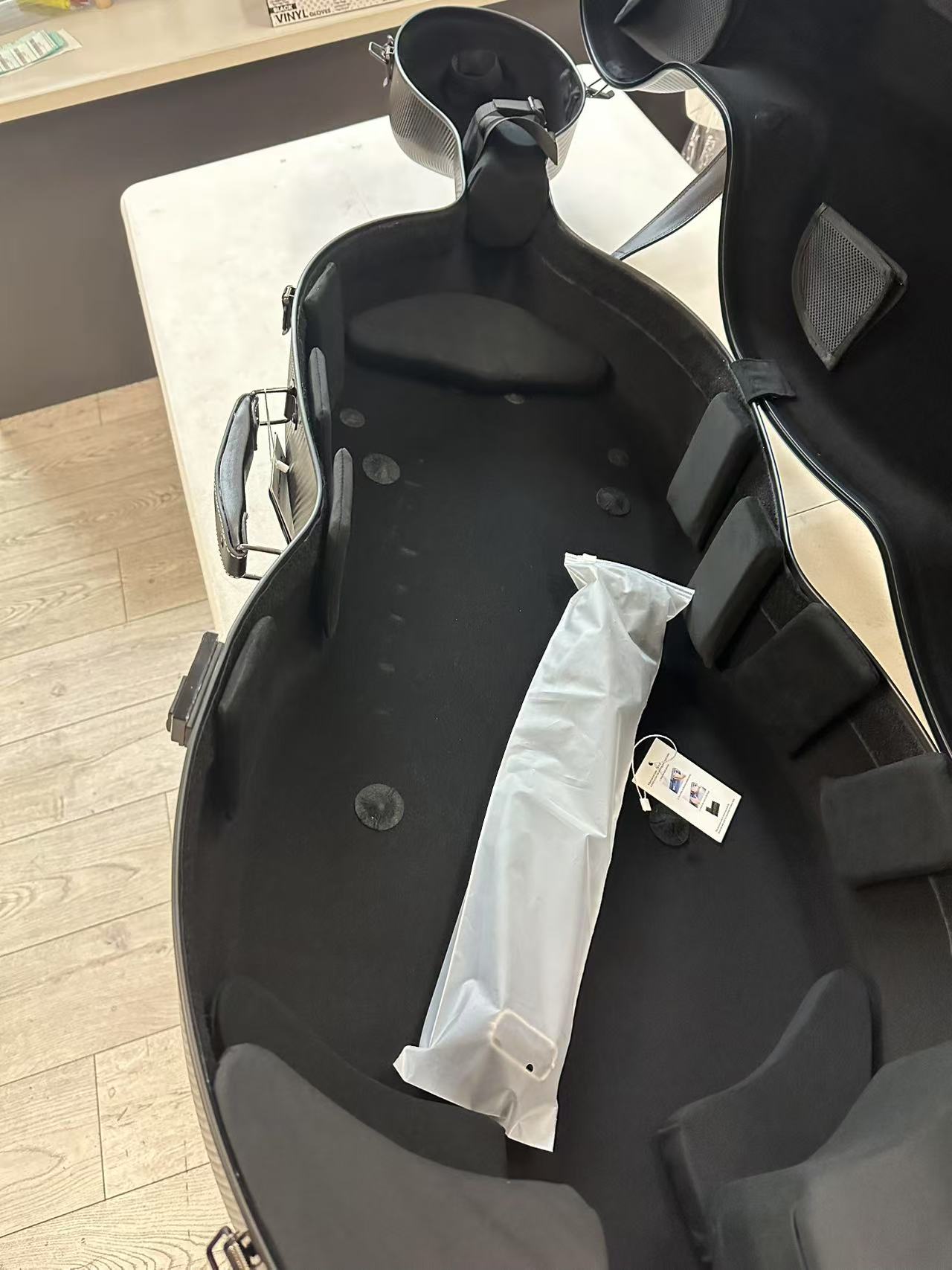
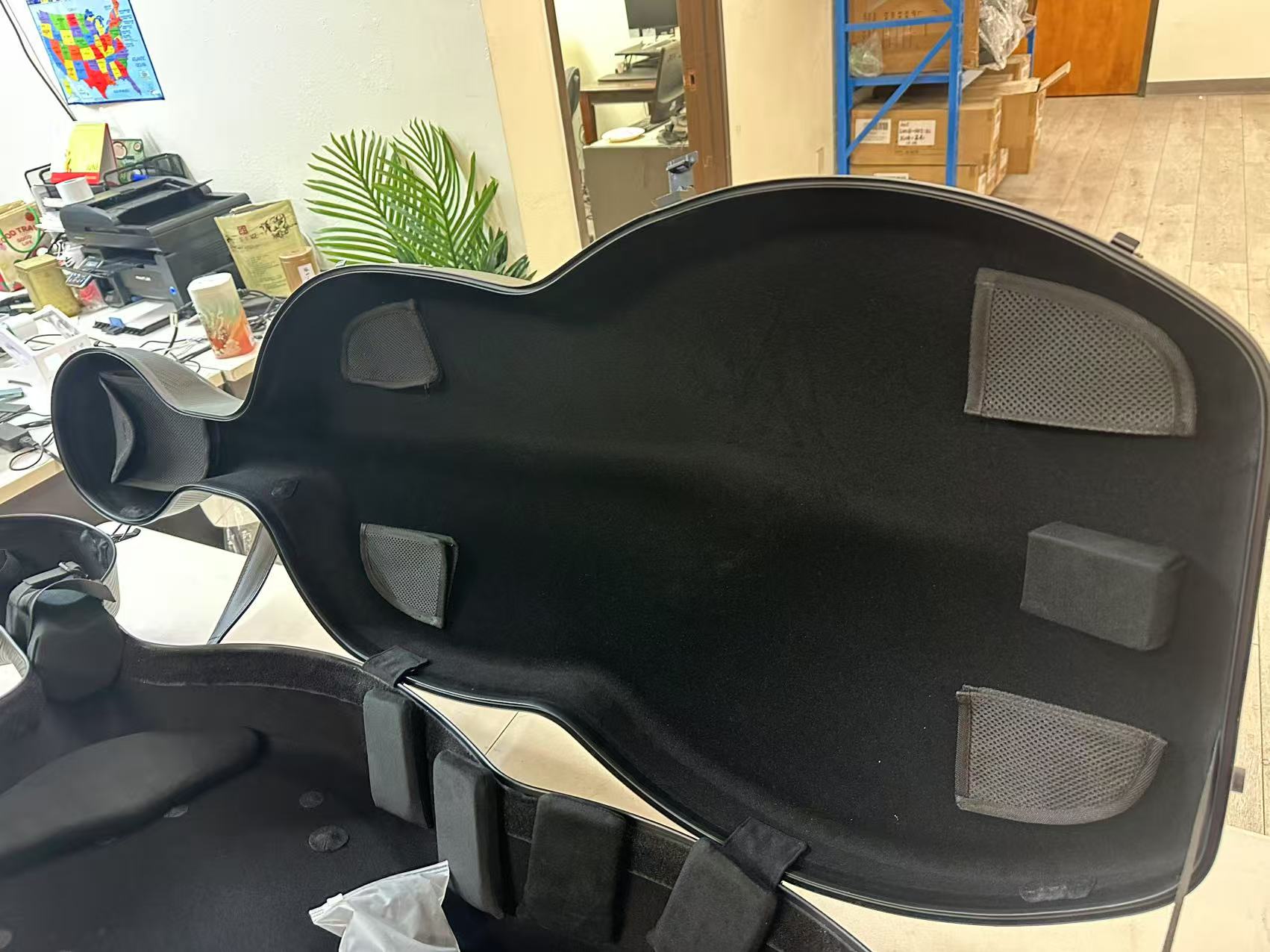
The workflow is intentionally simple: receive, compare, verify, hold, and share one review-ready record.
Inbound carton enters the warehouse and is attached to the return record.
The carton label does not match the expected SKU and serial in the return record.
The unit is opened and documented so the warehouse has defensible evidence, not just a suspicion.
The case stays on hold until the next reviewer confirms what should happen next.
Use this sample when you need to show a 3PL how Dossentry handles high-risk return exceptions across brands without pretending it is a real customer success story.